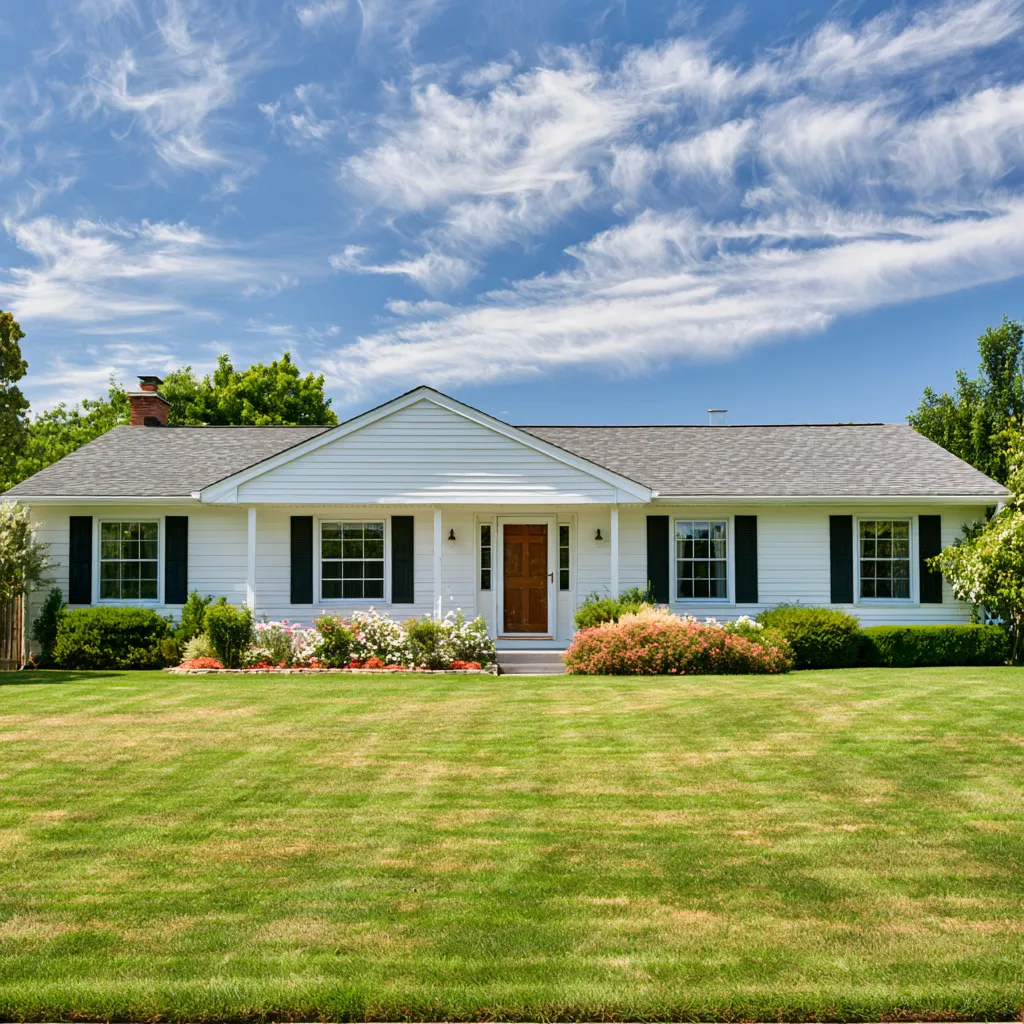
Trophy Club is a master-planned town where nearly every street sits under an architectural standard, so a new roof is not only a building decision, it is a design one. Before a single bundle of shingles lands on the driveway, a re-roof here usually has to clear two separate approvals, and they do not happen at the same time. Miss the order and a job can stall with material already on site. The good news is that the sequence is predictable once you know what each approval is for. One protects how the roof looks from the street, the other protects how it is built to code. Here is how the two fit together on a typical Trophy Club home, who signs off on what, and where a local roofer handles the parts you should not have to chase yourself. If a storm is behind the work, the town permit walkthrough runs on its own track alongside the design review.
Why a re-roof here starts with the HOA, not the roofer
Trophy Club was built as a planned community, and that comes with an architectural control layer most cities do not have. A property owners association, and in parts of town a public improvement district, set standards for how homes look, and a roof is one of the most visible parts of a house. So the first stop for a re-roof is usually not the city permit desk, it is the association that reviews exterior changes. Getting a designer shingle color or a material change approved before ordering keeps you from tearing off, installing, and then being asked to redo a roof that does not fit the neighborhood standard.
This is not a Trophy Club quirk so much as a Trophy Club emphasis. Plenty of North Texas neighborhoods have an association, but in a uniformly upscale, master-planned town the architectural review tends to have real teeth, especially in sections like The Highlands and the gated estates where roofs are large and highly visible. A quick check of your association guidelines, or a call to the management company, tells you whether your planned shingle needs sign-off before anything else moves.
What the architectural review is actually checking
The review is about appearance, not engineering. It looks at how the finished roof will read from the street so that a block does not turn into a patchwork. In practice it tends to focus on a short list of visible items:
What the association is not doing is checking whether the roof is built correctly. It does not inspect flashing, deck fastening, or underlayment, and it does not put anyone on the finished roof. That side of the job belongs to the city, which is why one approval is never a substitute for the other. A homeowner picking a color can lean on a shingle rundown to land on something both attractive and approvable.
- The roofing material itself, confirming a like-for-like premium shingle or an approved upgrade.
- The color, kept within the palette the guidelines allow for your section.
- Any profile or material change, such as moving from asphalt to a metal or tile accent, which needs explicit sign-off.
- The submission paperwork, usually a product sheet and a color sample, before the association responds.
Then comes the town permit, and a different set of eyes
Once the look is cleared, the build gets its own approval. The town issues a roofing permit for a full replacement, and that permit is what puts a municipal inspector on the finished work to check it against the building code in force. On a large multi-plane roof, that inspection matters more than on a small simple one, because there are more valleys, penetrations, and flashing details where a shortcut would hide.
The permit also leaves a paper trail. A re-roof pulled and inspected under the town becomes part of the property record, which can matter at resale or when an insurer asks what has been done to the home. A cash job with no permit skips the inspection and leaves an expensive-looking roof with nothing on file to show it met code. On homes at this value, that missing record is a bigger gap than the permit fee it saved.
Who handles which step, so nothing falls through
The division of labor is simpler than it sounds once both approvals are on the table. Your part is mostly confirming the association sign-off and the permit are both accounted for, in writing, before work starts. A local roofer typically prepares the material and color details for the association submission, pulls the town permit in the property owner name, and schedules the city inspection, so you are not standing in two lines yourself. What you should insist on is seeing both the approval and the permit listed in the estimate rather than assumed.
One honest note on roles. Reviewing the design, pulling the permit, and inspecting the roof belong to the association, the town, and the local roofer doing the work, not to a lead-gen site. Keeping the roles straight is part of why a documented re-roof in Trophy Club tends to go smoothly.
When a storm is driving the re-roof
If hail or wind is the reason for the re-roof, the two approvals still apply, they just share the calendar with an insurance claim. The claim keys off the address and the documented date of the storm, not the neighborhood, so it runs on its own track while the design review and the permit proceed. A roof that gets damaged does not skip architectural review because an adjuster is involved, the color and material still have to fit the standard.
The practical move is to let the paperwork run in parallel rather than in sequence, so a covered roof does not sit exposed longer than it has to. A local roofer who works Trophy Club often will line up the association submission, the permit, and the claim documentation together. If a storm is in the picture, it is worth reading how a storm inspection records the damage while the two approvals move on their own tracks.
Your next steps, in order
However you got here, this order keeps a Trophy Club re-roof out of trouble:
- 1) Pull your association's architectural guidelines and confirm what your section requires for material and color.
- 2) Get the material, color, and any profile change approved in writing before ordering shingles.
- 3) Have your roofer file the Town of Trophy Club building permit in your name once the design is cleared.
- 4) Keep the association approval and the permit copy with your own records.
- 5) Confirm the final Town inspection passed before you treat the job as closed.
Not sure which approval your re-roof needs first? Send your address and a photo of the current roof to Trophy Club Roofing Co, and a local roofer will lay out the design-review and permit steps and confirm what your section requires.
Get a free look Call (817) 541-1462